
For parents · Safeguarding
Safeguarding questions, answered plainly.
This page answers the questions parents most often ask before enrolling. It follows the order of those questions, rather than the structure of the full policy. You can open the sections that matter to you, or read the full safeguarding policy.
The framework, by the numbers
published openly
in the safeguarding chain
adult works with students
every call has a name
Italian jurisdiction · UK statutory frameworks voluntarily adopted (KCSIE · DSL · Prevent Duty). Audited by The Bridge — TTMT SA.
The eleven questions
In an emergency
Worried from home? Message the UK parent team on WhatsApp.
Child in immediate danger on site? The residential team contacts Italian emergency services (112 police, 118 medical) directly. Parents are informed in the same call.
01 · Question 1 of 10
Q. What comes first if there is a safeguarding concern?
The safety of the child.
If a concern is raised, the child’s safety comes before the timetable, the programme, reputation, or commercial interests. Confidentiality is respected, but it is not absolute. Where a child may be at risk, information is shared with the Designated Safeguarding Lead and recorded. Parents are normally informed, unless doing so could increase the risk to the child. Every adult on site is expected to notice concerns, listen carefully, record what they have seen or heard, and report it.
If there is any doubt about how serious a situation is, we treat it as Level 3 until the Designated Safeguarding Lead confirms otherwise. This may interrupt the day. That is acceptable. Missing a serious concern is not.
02 · Question 2 of 10
Q. Who should I contact with a safeguarding concern?
The UK parent team. They will pass the concern directly to the Designated Safeguarding Lead.
Safeguarding decisions are not made by one member of staff acting alone. Concerns are passed through a named safeguarding route, starting with the person parents can contact most easily.
Parent contact
This is the person who replies when you message from home. If your message raises a safeguarding concern, they pass it to the Designated Safeguarding Lead and make sure it reaches the right person.
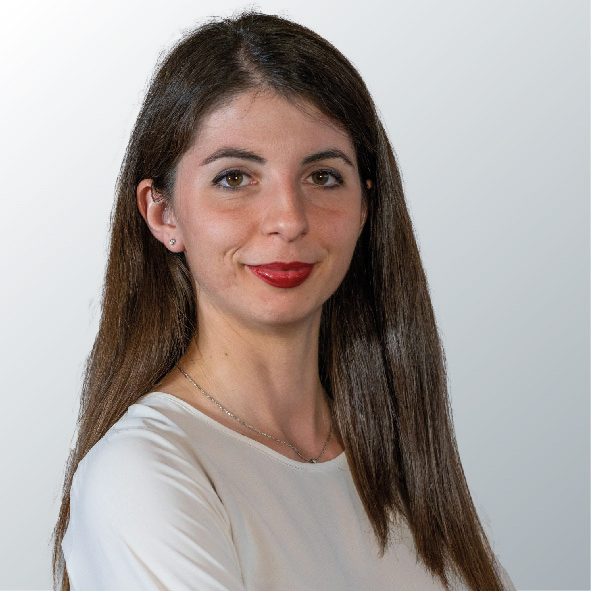
Diana Mancigotti
Parent contact
First reply for parent messages. On site during the programme. Routes enquiries into the safeguarding chain when needed.
How to reach
Message on WhatsApp
Safeguarding leads
The named people who decide how a safeguarding concern is handled. Reached via the parent contact, or directly during a Level 2 or Level 3 escalation.
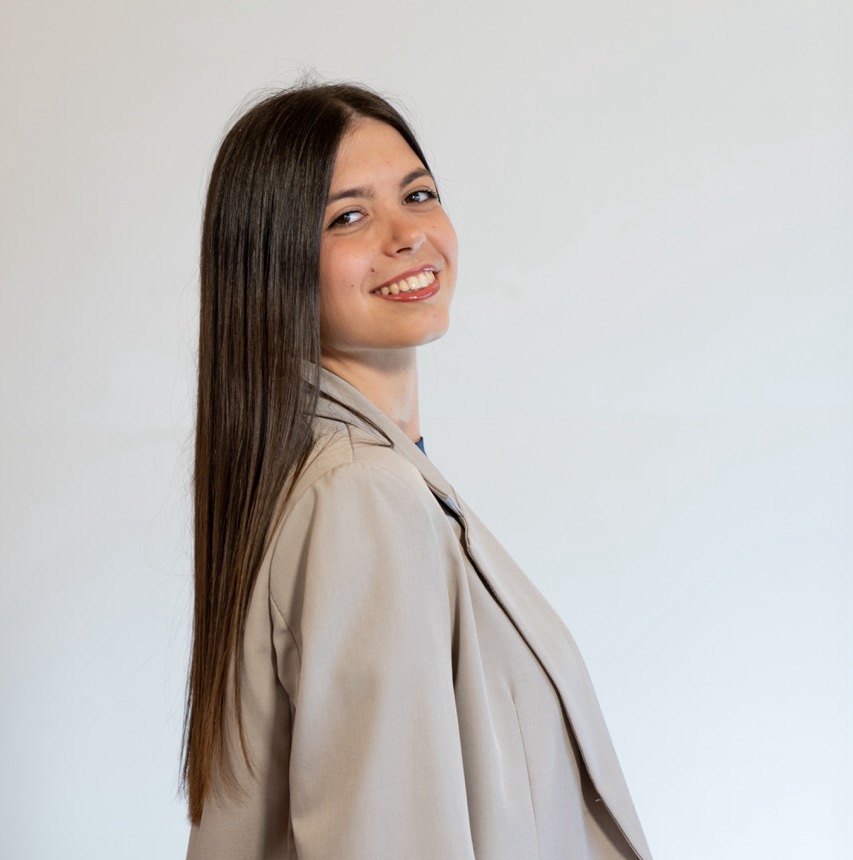
Valentina Martinelli
DSL · Head of CYL Italia
Primary point of reference for every safeguarding concern. Holds the Safeguarding Register and the Low-Level Concerns Log.
How to reach
Via the parent route, or directly during a Level 2/3 escalation

Anna Conte
Deputy DSL · Instructor
Replaces the DSL in their absence. Supports decisions that carry institutional or legal weight.
How to reach
Via the parent route, or directly during a Level 2/3 escalation
Instructors on programme
Named instructors with direct day-to-day contact with students at the Borgo.

Mattia Francesco Rossi
UK Lead · Primary instructor
Named UK contact on site. First UK-facing responder during the programme; handles UK transfers and day-to-day communication with families.
How to reach
On site, day-to-day contact with students

Giacomo Gregori
UK-specialist instructor
Instructor with UK-specific responsibilities, working alongside the UK Lead during the programme.
How to reach
On site, day-to-day contact with students
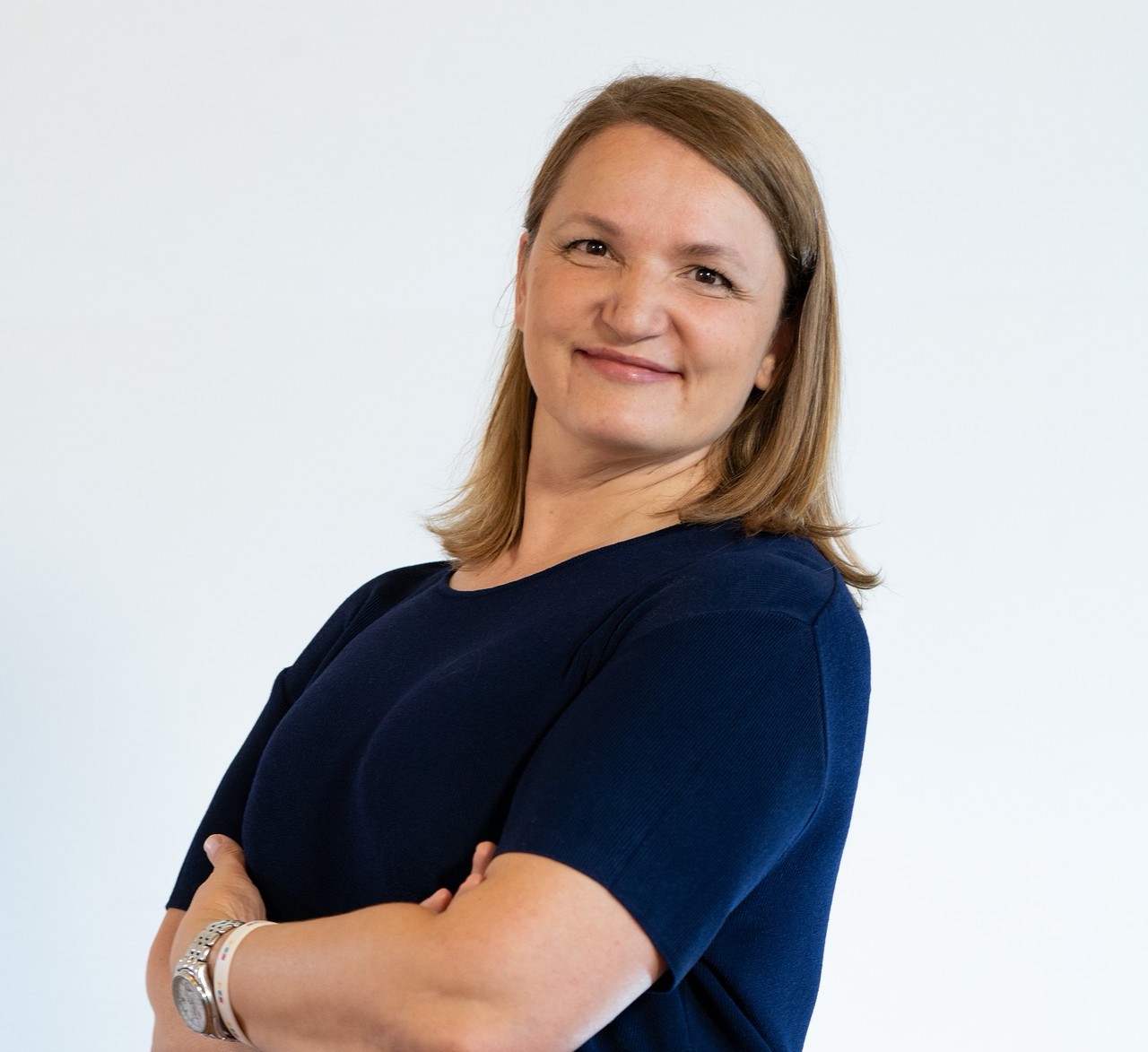
Valentina Kica
Pharmacist · Medical Kit Lead
Responsible for the medical kit, medication oversight, and self-administration protocols.
How to reach
On site, via the DSL or direct during medical concerns
Founder
Founded the programme and developed the method. Not part of the day-to-day parent contact chain.

Filippo Rossi
Founder · Creator of the method
Founded the programme and developed the method taught during the week. Present on site for selected editions, where he teaches method sessions directly and supports the senior team.
How to reach
Not a direct parent contact route
03 · Question 3 of 10
Q. What are the adults around my child not allowed to do?
Five things, all in the Code of Conduct, signed before they work with students.
- One-on-one conversations happen in visible, open spaces. Never closed doors, never reserved corners.
- Brief, context-appropriate physical contact is allowed. Intimate, prolonged or intrusive contact is not, in any circumstance.
- No personal direct messaging between staff and participants — WhatsApp, SMS, Instagram, any channel — during the programme.
- Communication with families goes through official channels: daily video, scheduled calls, named contacts.
- Every adult signs the formal Code of Conduct (Document 02) before working with students.
Under-18 helpers, where present, never carry supervisory responsibility. They remain under adult oversight at all times.
04 · Question 4 of 10
Q. What if my child is upset, but not at risk?
Staff are trained to tell the difference. Both are supported, in the appropriate way.
A child who is homesick on the first day is usually adjusting to a residential setting. That is different from a child being at risk. When staff have a concern, it is placed at one of three levels and passed through the safeguarding route.
1
Upset, but not unsafe.
Level 1 — Mild concern
What it looks like
A change in mood. A small disclosure that does not suggest immediate risk. A moment of distress that does not continue or form a worrying pattern.
Response
The adult present listens, stays with the child, makes a note in the daily record, and reports it to the Designated Safeguarding Lead within the same day. Educational follow-up may be added where useful.
2
Needs assessment and, in most cases, contact with home.
Level 2 — Significant concern
What it looks like
Repeated distress. Serious family conflict raised during the week. Signs of trauma that might indicate that the child may need formal support.
Response
The Designated Safeguarding Lead assesses the situation. Parents are contacted in good time, unless contact could increase the risk. The concern is recorded in full. Senior staff are consulted where needed.
3
Immediate action. Parents are informed as soon as it is safe.
Level 3 — Immediate safeguarding risk
What it looks like
A disclosure of abuse. A concern about serious harm. A current high risk to the child or to someone else.
Response
The Designated Safeguarding Lead or Deputy is alerted at once. The child’s safety comes first. Emergency services are contacted where appropriate. Parents are informed as soon as it is safe to do so.
Adult presence
How many adults are around at any one time?
In practice, the ratio is closer to one adult for every two students, often approaching one-to-one. This is the result of the way the programme is staffed, not a marketing figure: senior team, instructors, and support roles are all on site for the duration of the week.
Overnight
Who is awake or on call overnight?
An adult is on call within the residence each night, sleeping nearby. A second adult is reachable by phone within minutes. The DSL or Deputy DSL is on the same site for the duration of every cohort.
If a student wakes up distressed at three in the morning, they go to the on-call adult, who decides whether to settle the situation directly or escalate. Anything beyond a momentary upset is logged the same night and reported to the DSL the following morning, sooner if it warrants it.
Rooms and privacy
How are rooms arranged?
Rooms are gender-separated. Bathroom and changing arrangements are separated in the same way. Adults entering student rooms are of the same gender as the students in that room, except in emergencies. The full conditions are set out in the Safeguarding Framework.
Students are paired or grouped with cohort-mates of similar age, with attention to existing friendships and any specific welfare considerations declared at enrolment.
Between students
What happens if the concern involves another student?
Bullying, exclusion or pressure from another student is treated as a safeguarding concern. The instructor closest to the situation records what has been seen or reported, then passes it to the Designated Safeguarding Lead. The response depends on the situation. It may involve separate conversations with the students, a change in grouping, contact with parents, or removal from the programme in serious cases. Staff also look for repeated behaviour, not only single incidents.
05 · Question 5 of 10
Q. How do you decide who works with my child?
Time and direct observation. The 4-Year Rule.
- The 4-Year Rule. We prioritise individuals who have been directly known to the organisation for at least four years before they take on a role with participants.
- Criminal record checks. Completed according to the staff member’s country of residence and role, and renewed annually.
- Six-month preparation. New staff begin in support functions, observed by senior leadership, and progress only when conduct in real-world settings has been verified.
- Code of Conduct signed before working with students, with no exceptions.
06 · Question 6 of 10
Q. Will my child have their phone?
Yes. The programme is not built around confiscation.
We trust young people to manage their own devices in a structured environment, and we want them to be able to call home whenever they choose.
We reserve the right to intervene with a specific device — proportionately, transparently, and on the record — when there is a concrete safety concern: signs of cyberbullying, signs of extremist material, or a credible risk to the participant or another child. Any such intervention is documented in the Safeguarding Register.
Wi-Fi on site is filtered in line with the programme’s online safety policy, which includes protection from extremist material. Staff are not permitted to share content involving participants on personal social media.
07 · Question 7 of 10
Q. What about medication?
Students must be able to take their own medication. The programme is residential and educational, not a clinical setting.
We are clear with parents about this before enrolment, so that no family discovers a mismatch after they’ve paid. The medical kit holds prescribed and emergency medication only — nothing outside what each participant has formally declared at registration.
We make a clean legal distinction between custody and administration: our pharmacist Valentina Kica may hold prescribed or emergency medication in the medical kit, but the act of taking the medication remains the participant’s, under appropriate supervision.
Where a participant’s needs would require clinical input, the programme is not the right setting and we will say so before enrolment, not after.
08 · Question 8 of 10
Q. What do you write down about my child, and who sees it?
The minimum needed. Held only as long as the law requires.
- Access to the Safeguarding Register and the Low-Level Concerns Register is restricted to the DSL, the Deputy DSL, and the Pedagogical Supervisor.
- Records are stored on secure systems based in Italy and on a secured Google Workspace environment, in line with GDPR.
- Medical data is deleted at the end of the programme, unless an ongoing situation requires retention.
- Safeguarding logs are kept for the minimum legal period necessary — not held longer than that.
- These records are not used for marketing, and are not shared with tutors, parents, or other students outside the safeguarding chain.
09 · Question 9 of 10
Q. If something does go wrong, what happens?
If you’re worried from home, message the UK parent team. If a child is in immediate danger on site, the residential team contacts Italian emergency services first; parents are informed in the same call.
If you are worried from home, your first message is to the UK parent team. They sit in the chain that runs directly to the DSL.
If a child is in immediate danger on site, the residential team contacts the relevant Italian emergency services first; parents are informed in the same call.
Internal safeguarding contacts
Valentina Martinelli
DSL · Head of CYL Italia
Anna Conte
Deputy DSL · Instructor
Diana Mancigotti · WhatsApp
Parent contact
External emergency lines
118 · Medical emergencies
Italy national line
112 · Police / immediate danger
Italy national line
We do not promise we will always reach you within minutes — but the DSL will be involved within the same day for any significant concern, and immediately for any Level 3.
If you're not satisfied with how it's handled
What happens if I disagree with the response?
If you’ve raised a concern and you’re not satisfied with how the immediate team has handled it, the next step is a written complaint to the DSL. If the complaint concerns the DSL specifically, it is reviewed at organisational level by The Bridge — TTMT SA, with timelines and decision routes set out in the Safeguarding Framework (Document 01).
If at any point you believe a child is in immediate danger and you cannot reach the residential team, you contact Italian emergency services directly (112 / 118). You do not need our permission to do that.
10 · Question 10 of 11
Q.Can I read the actual policies?
Yes. All twenty-four. As PDFs. No form to fill in.
We don’t hide our policies. The PDFs below are the actual operating texts of the programme.
Safeguarding Framework
PDF · revised April 2026 · Document 01
Code of Conduct
PDF · revised April 2026 · Document 02
Safer Recruitment Policy
PDF · revised April 2026 · Document 03
Confidentiality and Information Sharing
PDF · revised April 2026 · Document 04
Referral and Reporting Procedures
PDF · revised April 2026 · Document 05
SEND and Inclusion Policy
PDF · revised April 2026 · Document 06
Medication Self-Administration Protocol
PDF · revised April 2026 · Document 07
Personal Devices and Online Safety
PDF · revised April 2026 · Document 08
Data Retention and Privacy Policy
PDF · revised April 2026 · Document 09
Emergency Procedures and First Aid Protocol
PDF · revised April 2026 · Document 10
Photography and Media Consent Policy
PDF · revised April 2026 · Document 11
Anti-Bullying and Peer Behaviour Policy
PDF · revised April 2026 · Document 12
Complaints and Concerns Procedure
PDF · revised April 2026 · Document 13
Prevent and Online Radicalisation Policy
PDF · revised April 2026 · Document 14
Missing Child Protocol
PDF · revised April 2026 · Document 15
Physical Intervention Policy
PDF · revised April 2026 · Document 16
Overnight Supervision and Sleeping Arrangements
PDF · revised April 2026 · Document 17
Dietary Requirements and Allergen Management
PDF · revised April 2026 · Document 18
Staff Communication and Personal Disclosure Policy
PDF · revised April 2026 · Document 19
Parental Consent and Information Pack
PDF · revised April 2026 · Document 20
Incident Report and Record-Keeping Procedure
PDF · revised April 2026 · Document 21
Volunteer and External Visitor Policy
PDF · revised April 2026 · Document 22
Insurance and Public Liability Summary
PDF · revised April 2026 · Document 23
Annual Review and Policy Audit Log
PDF · revised April 2026 · Document 24
10 · Question 10 of 10
Q. Can I just ask a question?
Yes. You will hear back from a named person, usually by email. There is no call unless you ask for one.
If the documents have not answered your question, send it to us. We will reply to the point you have raised, rather than asking you to book a general call.
Ask a question. You'll get a reply by name, not from a generic inbox.
WhatsApp is the fastest way. Email works too. Either way, the reply comes from a named person who has read your message — usually the UK parent contact. Safeguarding-specific questions are routed to the DSL where appropriate.
Jurisdiction
The CYL Kindle programme operates from the Borgo del Monte Antico in Varzi (PV), Italy, under Italian jurisdiction. We voluntarily adopt UK statutory frameworks — KCSIE alignment, the DSL model, the Low-Level Concerns framework, and Prevent Duty principles — so that UK families recognise the protections in place from the standards they know at home.
Governance
The Safeguarding Framework, Code of Conduct, and supporting policies are owned by the Designated Safeguarding Lead and reviewed annually by the Founder. Operated by The Bridge — TTMT SA, Via Cologna 42, 7742 Poschiavo, Switzerland (VAT CHE-208.340.707 IVA). Last revised April 2026; next scheduled review April 2027.